|
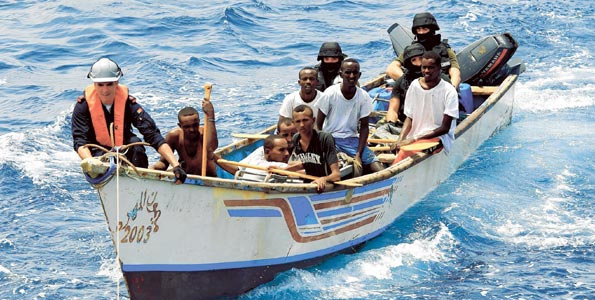
The two neighbouring East African states are at the same time finalising joint regulations and procedures that will go to the depository at the United Nations to tame illegal trading and piracy. The move comes as plans to have the two states extend their nautical miles of the sea are expected to bear fruits soon.
Tanzania and Kenya have registered with the UN to extend their continental shelf, which would make it possible for the two states to tackle cases of piracy and illegal trade much more effectively.
Under the agreement, the two countries would be able to monitor the environment so that cases of dumping of waste or pesticides or any other chemicals that degrade the environment, would be kept in check.
| Related Story: US confirms arms shipments to bolster Somalia govt |
However, similar agreements between Tanzania and the Comoros, Mauritius and Mozambique and Comoros have delayed to take off due to lack of resources to implement the agreements.
Kenya High Commissioner to Tanzania Mutinda Mutiso, told The EastAfrican that the memorandum of understanding between the two states has already been signed to enhance security and secure waters, while envisaging the enormous resources coming along with territorial extension sought by the two countries.
Mr Mutiso said that the area that previously covered the mandatory 200 nautical miles would now be extended by an extra 150 nautical miles giving the two states more leeway in terms of surveillance.
“The signing of the agreement between the two countries comes at a time when insurgencies in the territory are on the increase, with Somali pirates often seizing ships and demanding ransom,” he said.
In May this year, Somali pirates hijacked a ship carrying electric wires from Europe meant for a huge power project in Southern Tanzania.
The two East African countries are also pondering ways to have the Law of Sea changed to address the current situation, whereby countries like Somalia without a functional government still have the mandatory 200 nautical miles under their jurisdiction, thus making it difficult to pursue the pirates into the country’s waters.
Kenya has so far provided a place where pirates could be held and prosecuted although what should normally happen is for them to be tried in their own country or taken to the International Criminal Court at the Hague.
“Trying them in their own country is next to impossible, thus the increased area to be under our two countries’ surveillance decreases their operating area, which is currently notorious for piracy as well as illegal fishing or illegal trade in the high seas,” said Mr Mutiso.
The East African